

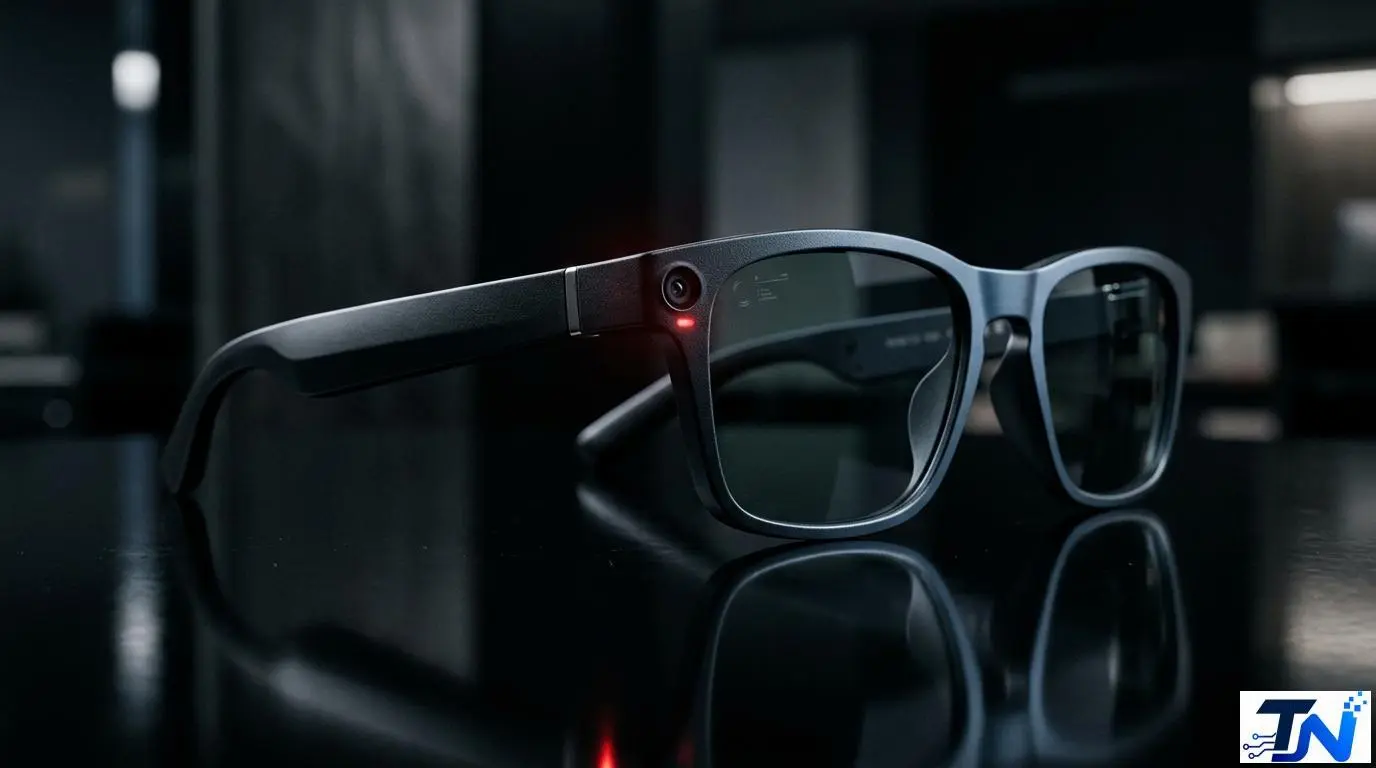
Smart glasses were once the stuff of science fiction — sleek, futuristic, and largely harmless in the public imagination. Today, they are very real, increasingly affordable, and sitting at the center of one of the most pressing privacy debates in modern tech. Meta’s AI-powered Ray-Bans are flying off shelves, capturing over 80% of the entire smart glasses market. But alongside rising sales figures, a deeply troubling pattern of misuse is emerging — one that is catching lawmakers, ethicists, and everyday people completely off guard.

The Appeal of Meta’s AI Glasses
There’s no denying the commercial appeal of Meta’s smart glasses. Built in collaboration with EssilorLuxottica, the eyewear giant behind Ray-Ban, the product cleverly disguises cutting-edge technology inside a pair of genuinely stylish frames. There’s no obvious camera bulge, no glowing screen — just what looks like a regular pair of sunglasses.
Under the hood, however, these glasses pack a nearly invisible camera embedded into the frame, discreet speakers built into the arms, and lenses capable of displaying select information to the wearer. Recording video or snapping a photo requires nothing more than a casual tap on the frame — no phone out, no obvious signal to anyone nearby.
This seamless design is exactly what makes them a bestseller. It’s also exactly what makes them dangerous in the wrong hands.
How Smart Glasses Are Being Used to Secretly Film Women
A disturbing trend has emerged in which individuals — predominantly men — are using Meta’s Ray-Bans to covertly record women in everyday public settings: beaches, shopping areas, sidewalks. The recordings are often made during seemingly casual interactions, such as asking for directions or delivering a pickup line, while the camera silently captures the entire encounter without the subject’s knowledge.
The women being filmed typically only discover the footage exists after it has been posted online and begins attracting attention — and frequently, harassment. By that point, the videos can have already spread widely across platforms.
In one particularly disturbing case reported to the BBC, a woman who discovered a secret recording of herself and asked the person responsible to remove it was told that deletion was “a paid service.” She had no other immediate legal options.
This reflects a broader and troubling legal reality: in most jurisdictions, recording someone in a public space is entirely lawful. The absence of clear legislation specifically targeting covert wearable cameras means victims are largely left without recourse.

Even Wearers Are Caught Off Guard
One of the less-discussed dimensions of this controversy is that even the owners of these glasses sometimes don’t fully understand what their device is doing. The recording capabilities of Meta’s Ray-Bans can be so subtle that wearers themselves have been surprised to discover what was captured, when it was captured, and crucially — where that footage ended up.
This has led to two notable lawsuits in the United States. In one case, glasses owners claimed they had no idea certain videos had ever been recorded by their device. In a second, separate case, owners said they were completely unaware that footage from their glasses had been shared with Meta for internal review.
The AI Training Data Problem
The issue runs even deeper when you consider what happens to videos recorded through Meta’s smart glasses on the back end. Reports surfaced that workers in Kenya, hired to review video content captured through the glasses, were required to watch deeply graphic material — including sexual content and footage taken in bathrooms — as part of Meta’s AI training data pipeline.
This revelation added a new layer of outrage to the privacy debate. It’s not just about what’s recorded in public — it’s about where that intimate, often non-consensual footage ultimately travels, who reviews it, and under what conditions. The human cost of building AI on this kind of data extends far beyond the people being filmed.

Why Tech Companies Are Still Pushing Forward
Despite the controversy, the smart glasses market is not slowing down. Meta remains the dominant player, but it is far from alone. Several of the world’s largest technology companies are preparing to launch their own versions of AI-enabled eyewear, with projections suggesting tens of millions of units could be sold globally in the coming years.
The commercial incentive is enormous. Smart glasses represent a potential bridge between the physical and digital worlds — a wearable that can capture, process, and respond to real-time data without requiring users to look at a screen. For companies investing heavily in AI and augmented reality, the glasses are a critical piece of the ecosystem.
But the rush to market has consistently outpaced the conversation around consent, regulation, and ethics.
What Needs to Change
The smart glasses privacy crisis is not an unsolvable problem, but it does require urgent action on multiple fronts.
Clearer Visual Indicators
Many privacy advocates argue that AI glasses should be required to display a visible, unmistakable signal — such as a light that activates during recording — so that people nearby are aware they may be on camera. Meta’s glasses do include a small LED indicator, but critics argue it is far too subtle to serve as a genuine warning in real-world situations.
Updated Privacy Laws
Existing public photography laws were written long before wearable AI cameras existed. Legislators need to revisit these frameworks to specifically address the covert recording capabilities of smart wearables and establish clear consequences for misuse.
Stronger Platform Accountability
Social media platforms need to take more aggressive action to identify and remove content that was captured without consent using wearable technology, particularly when that content is being used to harass or humiliate individuals.
Informed Consent for AI Data Use
Manufacturers must be fully transparent about how footage recorded through their devices is used, stored, and reviewed. Users should have clear, accessible, and genuinely informed consent mechanisms — not buried terms of service.
The Bigger Picture
The rise of smart glasses is part of a much broader shift in how technology is integrating into everyday life. As smart home devices connect more deeply with energy infrastructure, the same questions about data ownership, consent, and surveillance are becoming unavoidable across every connected product category.
Smart glasses are a mirror held up to a deeper problem in the tech industry: the tendency to deploy powerful new tools before society has had a chance to establish the ethical and legal guardrails needed to use them responsibly. The technology itself is not inherently malicious — but in the absence of thoughtful design, clear laws, and corporate accountability, it is being weaponized against the very people it was supposedly built to serve.
The question is no longer whether smart glasses can record the world around us. They clearly can, and they’re doing it right now. The real question is: who is protecting the people being recorded?




Leave a Reply