

A New Chapter in Canada’s Clean Energy Story
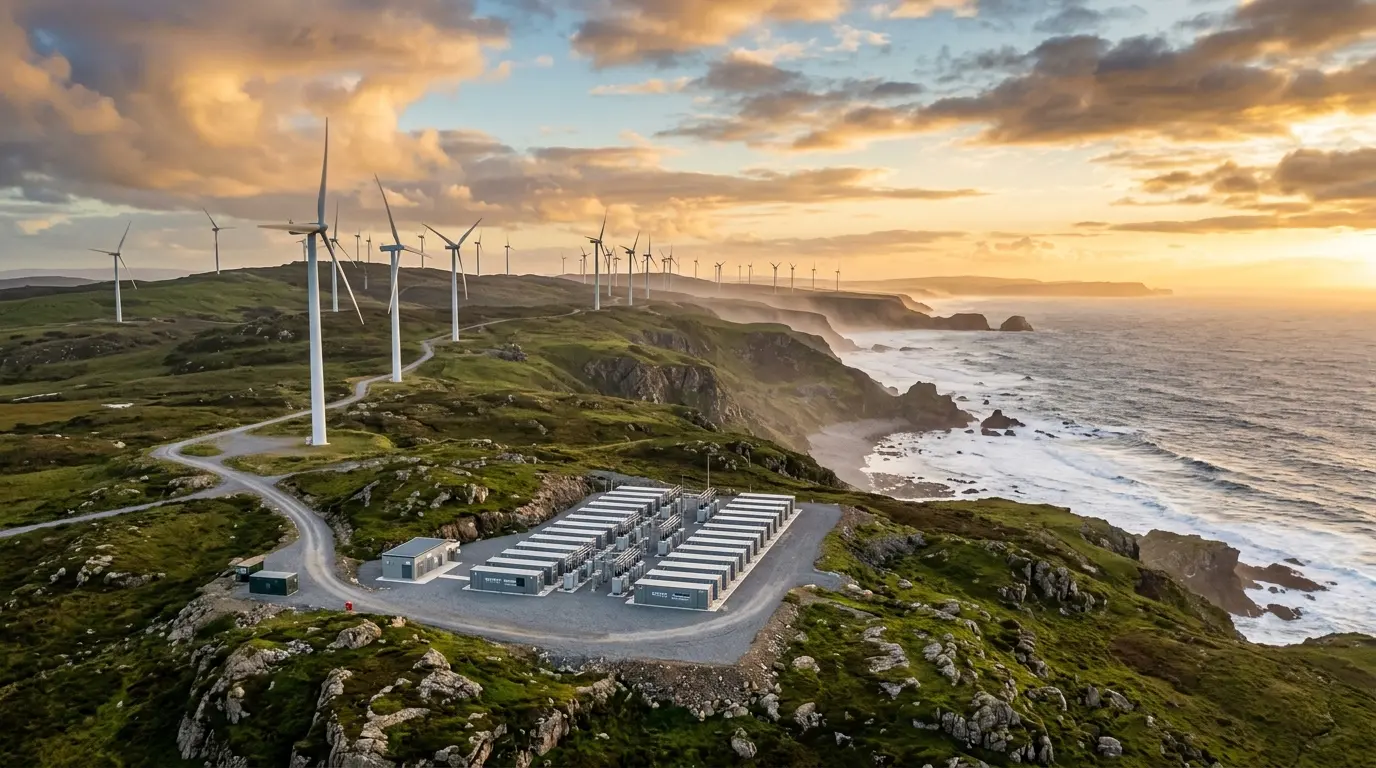
Canada’s east coast is quietly becoming a focal point for the next generation of renewable energy infrastructure. In a move that signals growing international confidence in the region’s clean energy potential, Envision Energy — a globally recognized green technology company — has formalized a strategic partnership with Cape Breton China Corp to co-develop a 300 megawatt (MW) hybrid wind and Battery Energy Storage System (BESS) project in Sydney, Nova Scotia.
This collaboration is more than a capacity announcement. It represents a shift in how large-scale renewable energy projects are being conceived — not as isolated power plants, but as intelligent, integrated energy systems designed to serve the evolving demands of modern electricity grids.
What the 300MW Hybrid Project Involves
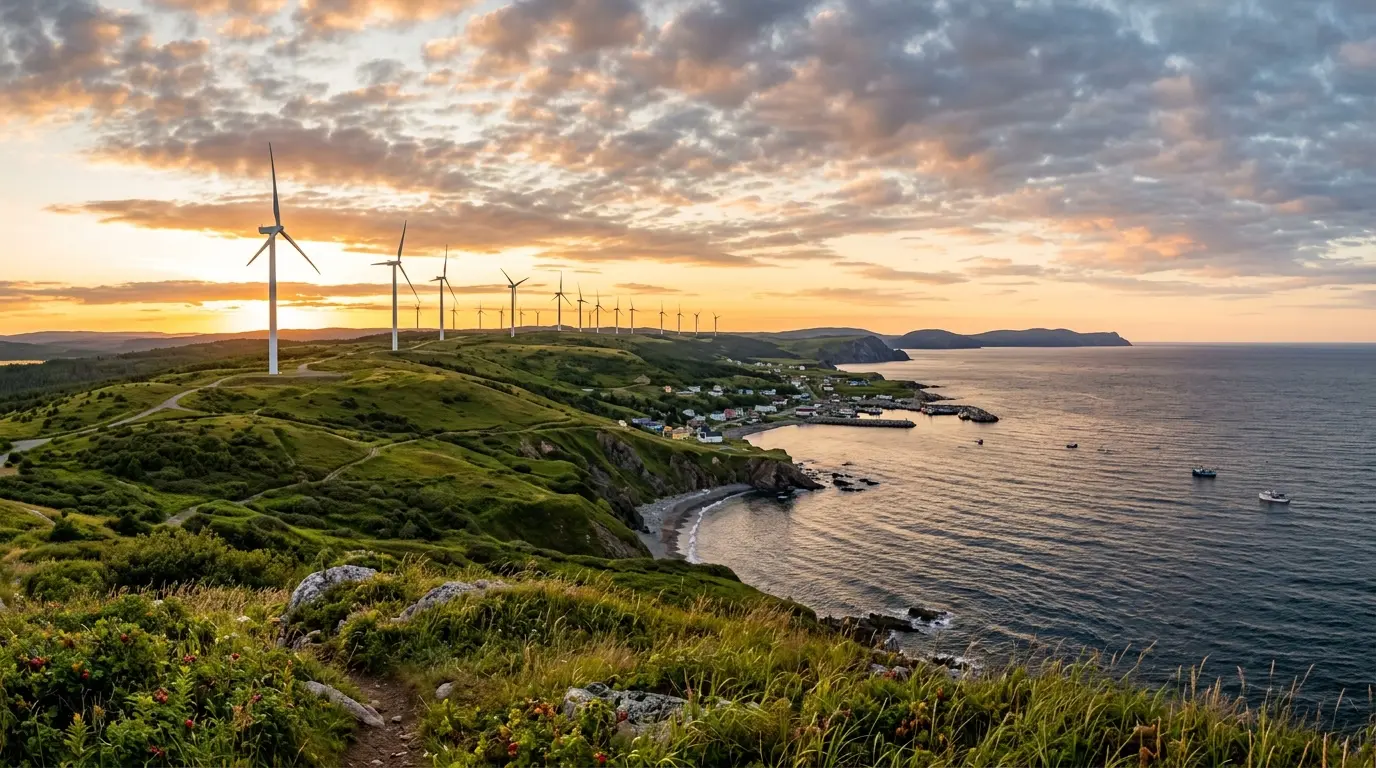
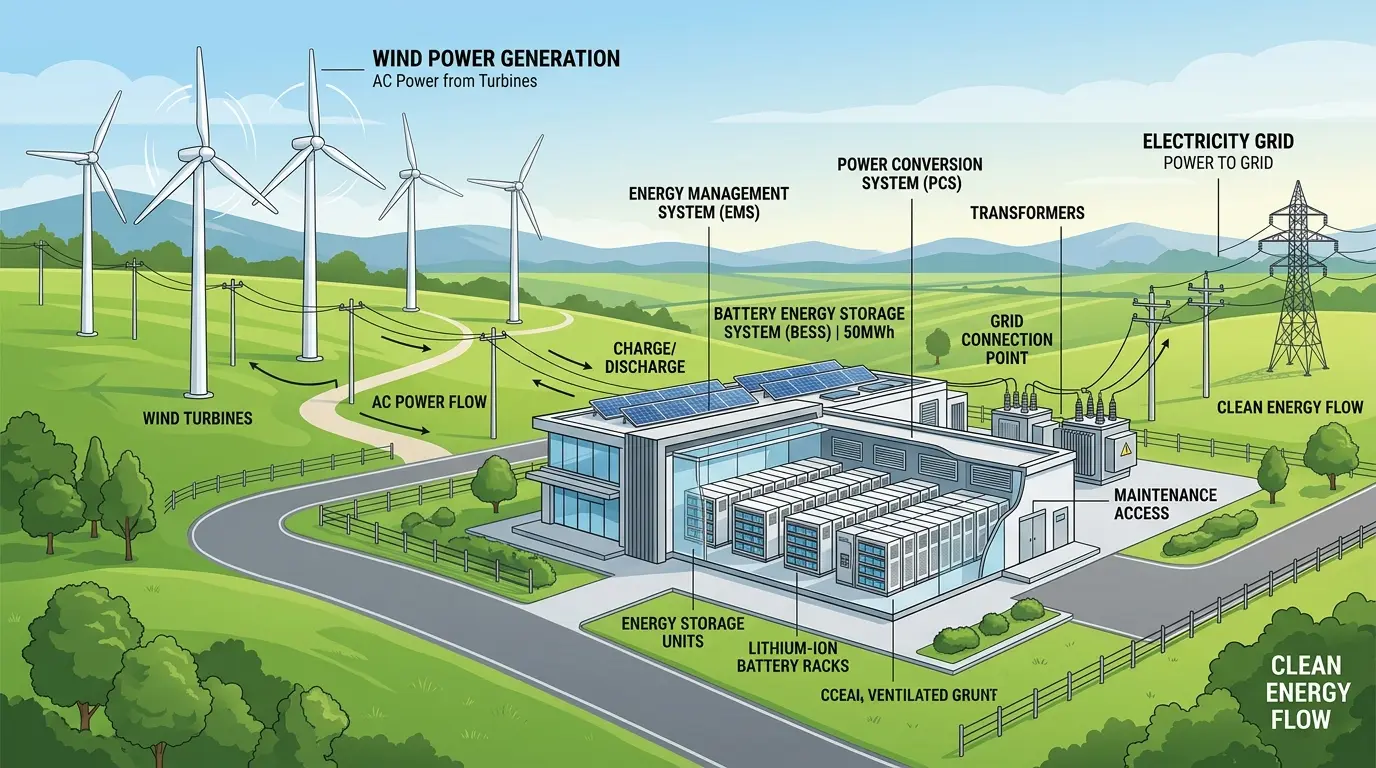
At its core, the project combines onshore wind generation with a co-located battery energy storage system, creating what the partners describe as an integrated wind-and-storage net-zero demonstration project. This hybrid architecture is designed to tackle one of the biggest challenges in renewable energy deployment: intermittency.
Wind power, while abundant in Nova Scotia, is inherently variable. Pairing it with a large-scale BESS allows excess energy generated during high-wind periods to be stored and dispatched when demand peaks or wind output drops. The result is a more reliable, grid-friendly power supply that supports Eastern Canada’s broader decarbonization targets.
Key Technical Goals
- Grid flexibility: The wind-storage hybrid is engineered to respond dynamically to grid conditions, reducing the need for fossil fuel backup during periods of low renewable output.
- Stability enhancement: Coordinated planning between wind and storage assets is expected to smooth voltage fluctuations and frequency deviations, improving overall grid resilience.
- Clean power integration: The project supports the regional grid’s ability to absorb a higher share of renewable energy without compromising reliability.
Why Nova Scotia?
Nova Scotia is one of Canada’s most wind-rich provinces, with consistently strong coastal winds and a provincial government committed to achieving net-zero electricity by 2030. Despite this potential, the region has historically faced challenges in integrating large amounts of renewable energy into its relatively small grid.
A project of this scale — particularly one that embeds storage from the outset — could serve as a replicable model for other communities across Atlantic Canada and beyond. Dr. Bob Liu, Founder of Cape Breton China Corp, emphasized that the partnership was specifically designed around local grid realities, aiming for solutions that are “technically sound, commercially practical, and capable of delivering lasting value for the region.”

A System-Oriented Approach to Energy Development
What distinguishes this project from conventional wind farm developments is its emphasis on systems thinking. Rather than treating generation and storage as separate assets, Envision Energy’s approach integrates them under a unified optimization framework — a methodology that improves both project bankability and long-term operational performance.
This is increasingly important for developers and lenders alike. Hybrid projects with built-in storage and intelligent management systems tend to demonstrate more predictable revenue profiles, which makes them easier to finance and more attractive to institutional investors. The combination of reduced curtailment risk, improved dispatch capabilities, and grid service revenue potential strengthens the overall commercial case.
Intelligent Optimization at the Heart of It
Envision Energy brings to the table its expertise in smart energy management platforms — systems that use real-time data and predictive algorithms to coordinate wind output, storage dispatch, and grid interactions. This layer of intelligence is what transforms a collection of hardware assets into a genuinely adaptive energy system capable of evolving with grid needs over its operational lifetime.
Building Local Capacity: Training and Green Energy Education
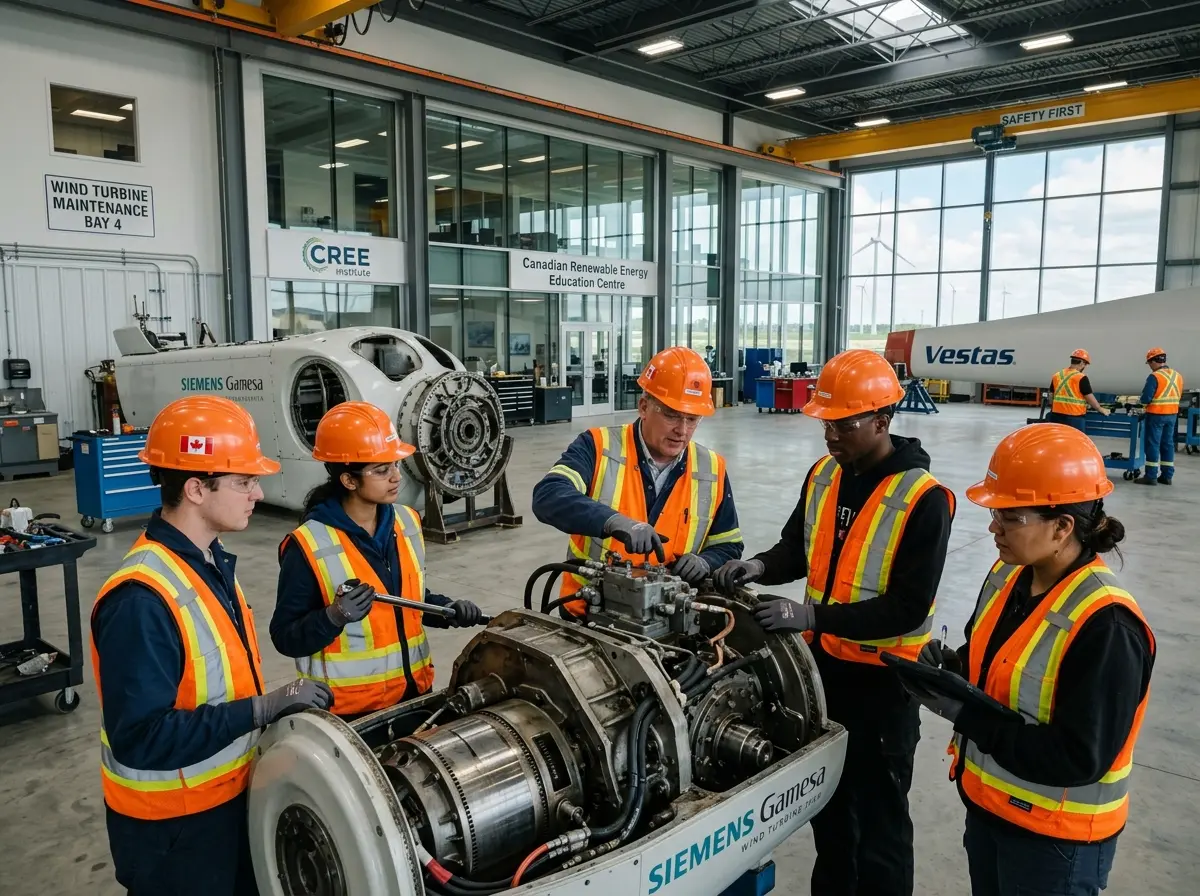
Beyond the physical infrastructure, the partnership includes a commitment to long-term ecosystem development in the region. Envision and Cape Breton China Corp plan to launch green energy training and education programs covering key areas such as:
- Wind power operations and maintenance
- Energy storage system management
- Future energy systems and grid integration
- Net-zero industrial park development
These initiatives aim to cultivate local talent, reduce dependence on imported expertise, and build a more self-sustaining clean energy workforce in Cape Breton and across Nova Scotia. This kind of capacity-building investment is often what separates projects that create lasting regional value from those that simply export returns.
Envision Energy’s Growing North American Footprint
For Envision Energy, this project marks a meaningful expansion of its presence in North America. The company has established itself globally across wind turbine manufacturing, energy storage solutions, and integrated energy system development. Entering the Canadian market through a high-profile demonstration project in Nova Scotia positions Envision as a serious long-term player in the region’s energy transition.
Yi Zhu, Senior Business Director of Canada at Envision Energy, articulated the company’s broader vision: to demonstrate that future energy systems must be adaptive and resilient by design, not just large in scale. “System flexibility matters as much as generation capacity,” Zhu noted — a perspective that reflects where the global energy industry is heading as grids become more complex and climate targets become more ambitious.
What This Means for Canada’s Energy Transition
Canada has committed to net-zero emissions by 2050, and provinces like Nova Scotia are pushing even harder timelines. Projects like the Envision-Cape Breton 300MW wind-BESS development are precisely the kind of infrastructure needed to bridge the gap between aspiration and achievement.
The integration of storage with wind at this scale offers several systemic benefits:
- Reduced reliance on peaking gas plants — stored wind energy can substitute for gas turbines during demand peaks.
- Lower curtailment rates — excess generation that would otherwise be wasted can be captured and used.
- Improved long-term energy affordability — as more renewable capacity comes online with storage, overall system costs can decline.
- Stronger investment signals — successful demonstration projects attract further capital to the region.

Looking Ahead
The signing of this strategic partnership sets the stage for detailed feasibility work, grid studies, permitting processes, and community engagement — all essential steps before construction can begin. While timelines for large-scale energy projects in Canada can be complex, the partnership’s emphasis on technical rigor and commercial viability suggests a grounded, realistic path forward.
For Nova Scotia and Eastern Canada more broadly, this project could become a defining example of what integrated, system-smart renewable energy development looks like in practice — one that delivers clean power, builds local skills, and demonstrates the kind of long-term thinking the energy transition demands.



Leave a Reply