

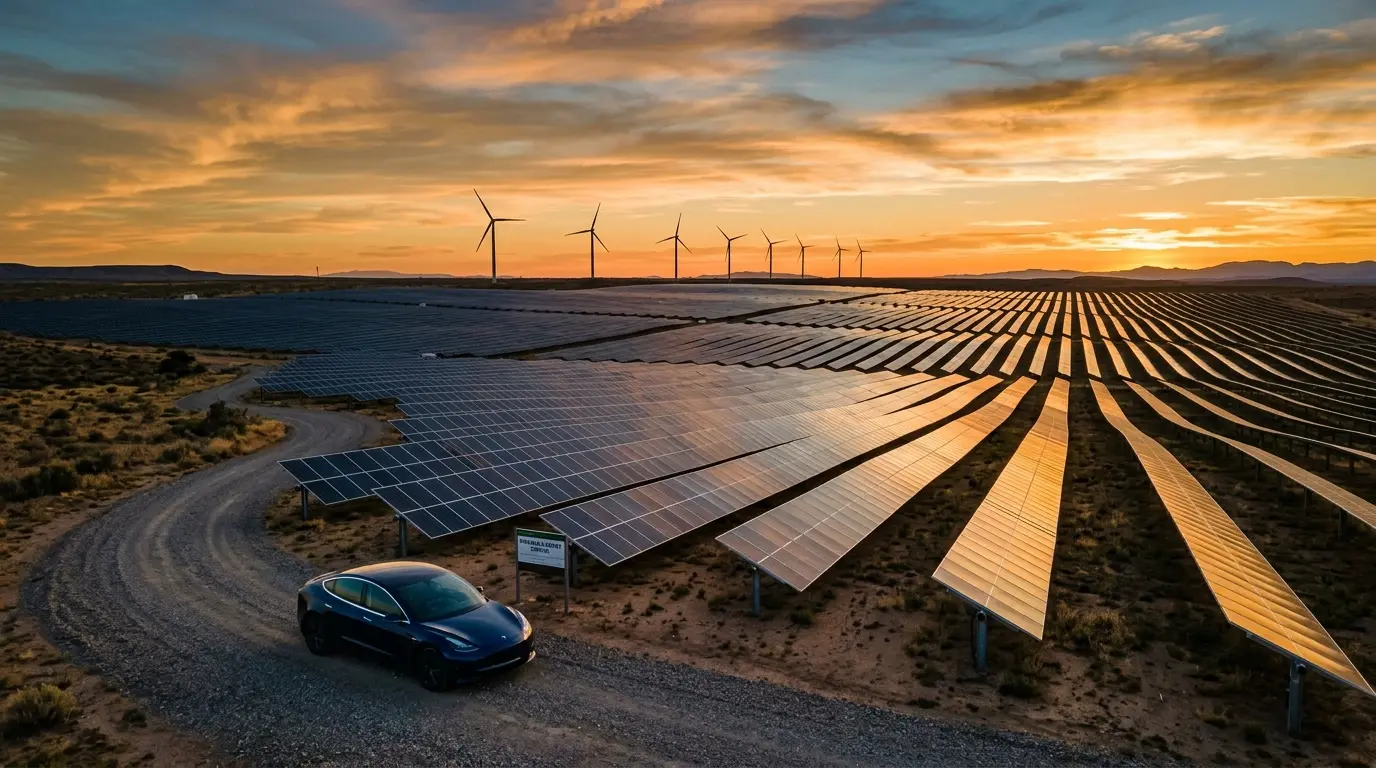
A Crisis Becomes an Opportunity for China’s Clean Energy Sector
When energy prices spike globally, the search for affordable alternatives accelerates. That’s exactly what China’s clean technology industry is banking on. As a major geopolitical conflict disrupts fuel supplies and sends energy costs soaring across multiple continents, Chinese manufacturers of electric vehicles (EVs), solar panels, and lithium-ion batteries are rapidly expanding their international footprint — and the numbers are already compelling.
For an industry that had been grappling with shrinking domestic margins and overcapacity, the surge in global demand for clean energy solutions couldn’t have come at a better time.
Solar Panels: Record Exports and New Markets
Perhaps no segment has benefited more visibly than solar energy. According to data compiled by Ember, a UK-based energy think tank, Chinese solar panel exports doubled month-over-month in March, reaching an all-time high. Across the globe, 50 countries recorded their highest-ever solar imports from China during that single month alone.
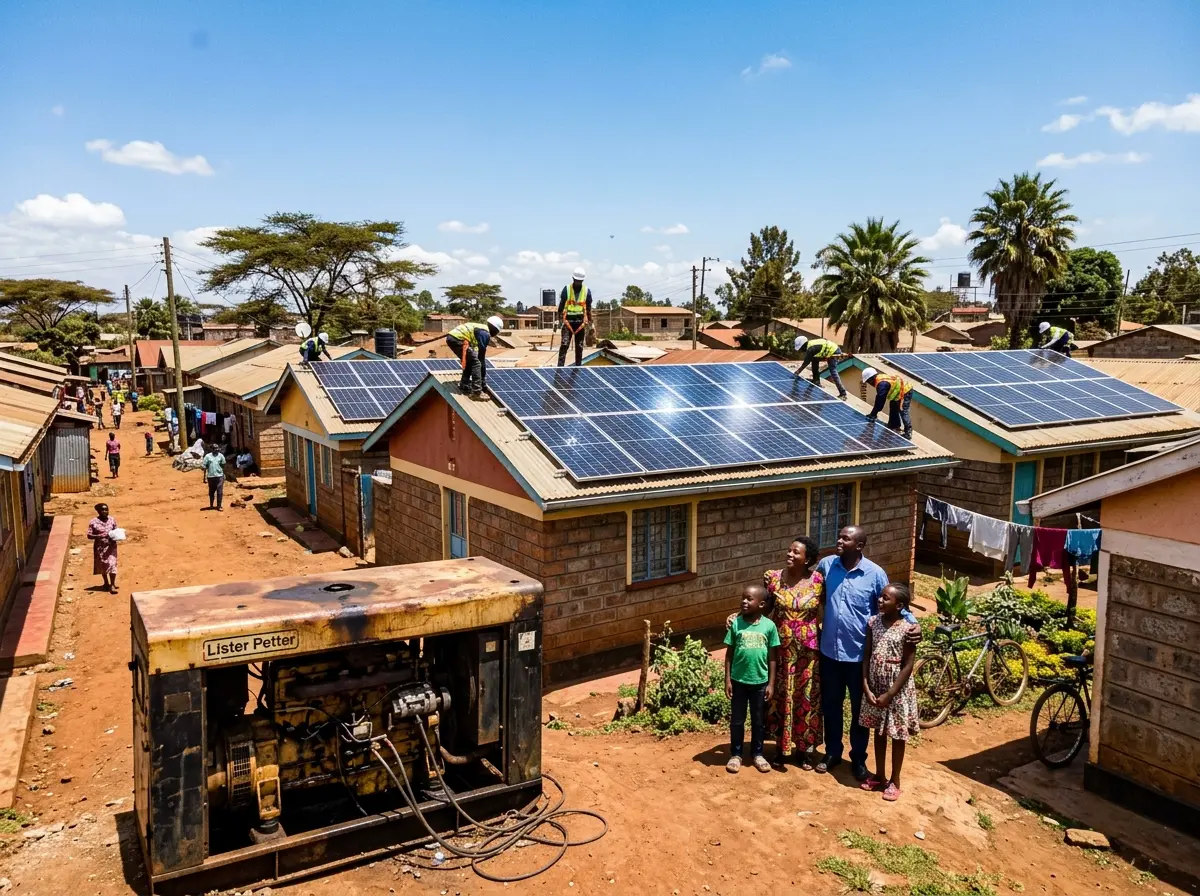
Africa has emerged as a particularly striking growth market. Nigeria saw solar imports surge by an astonishing 519% compared to the previous month, with other notable spikes recorded in Kenya, Ethiopia, and Malaysia. The driver is straightforward: diesel prices in parts of sub-Saharan Africa have climbed sharply since the onset of the energy crisis, making solar-powered alternatives far more economically attractive for businesses and households alike.
Leading solar manufacturer Jinko Solar responded swiftly, signing two major partnership deals in Nigeria at the end of April. One agreement with Fouani Nigeria will deliver 500 megawatts of solar equipment to power shopping malls, factories, and homes — directly replacing diesel generators that have become prohibitively expensive to run.
Why Africa Makes Strategic Sense
The African market represents a massive, underserved opportunity. Millions of homes and businesses across the continent rely on diesel generators due to unreliable grid infrastructure. With fuel costs rising sharply, the economic case for switching to distributed solar power has never been stronger. Chinese manufacturers, already operating at massive scale with highly competitive pricing, are well-positioned to fill this gap faster than any other supplier globally.
Electric Vehicles: Accelerating Into New Markets
The Iran conflict’s ripple effects on oil prices are also reshaping how consumers and governments think about personal and commercial transportation. Chinese automakers, long dependent on their massive domestic market, are now aggressively pursuing international expansion.
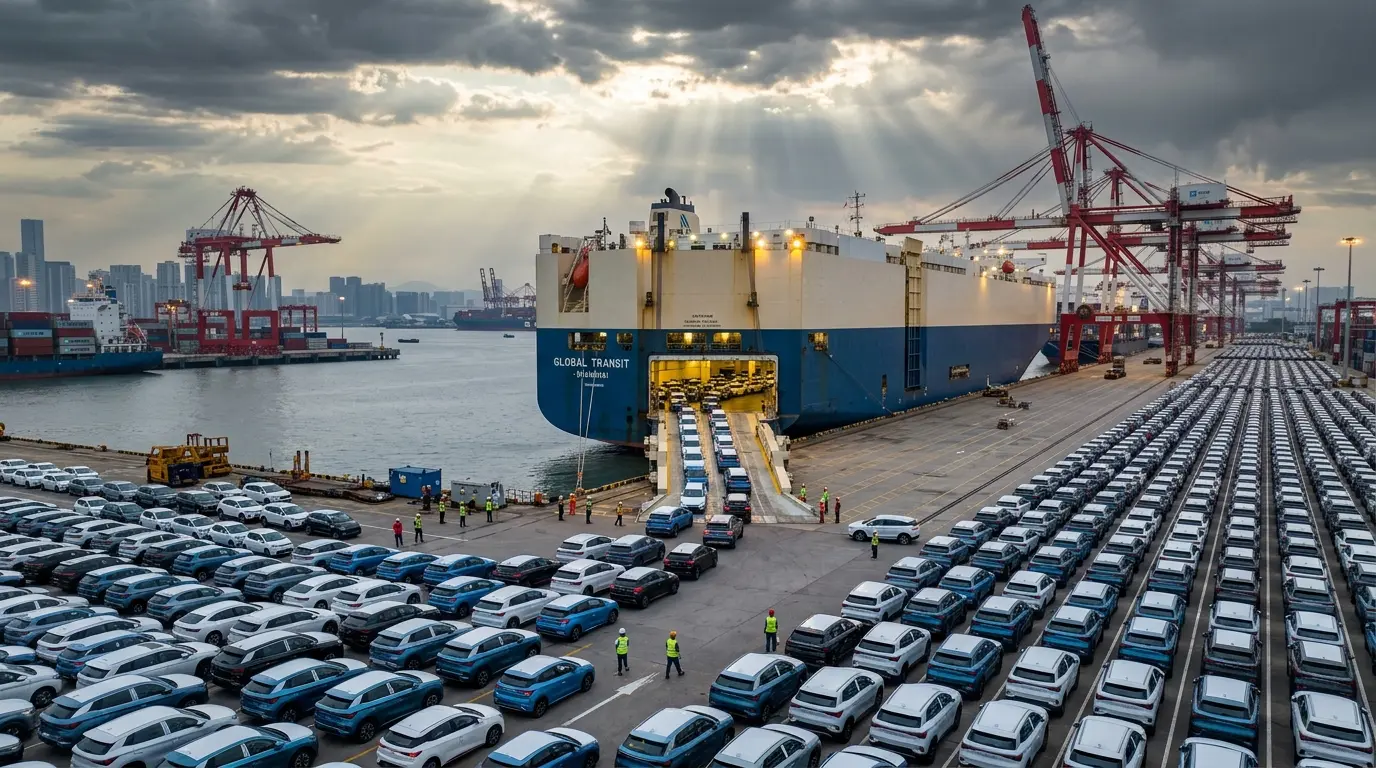
Customs data reveals that Chinese EV exports grew 53% year-over-year in March, with strong momentum across diverse markets. Australia saw Chinese EV imports climb 67% compared to the prior month, Belgium recorded a 63% increase, and Germany — a major global auto market — logged a 34% rise. Early indicators from April suggest this trajectory is continuing.
BYD, China’s largest EV exporter, reported overseas sales jumping more than 71% compared to the same period the previous year, underscoring just how rapidly Chinese automakers are gaining international ground.
Targeting New Demographics
Chinese carmaker Chery Automobile has identified Canada as a particularly promising market, citing rising fuel prices as a catalyst for shifting consumer attitudes toward electrification. The company recently flew nearly two dozen Canadian dealership representatives to the Beijing Auto Show to explore distribution partnerships.
“People’s perception of electrified vehicles is changing,” noted Chery’s chairman, pointing to increased order volumes and growing interest from Western manufacturers seeking collaboration with Chinese EV producers.
Another Chinese EV manufacturer is quietly scouting distribution partners across southern and eastern Europe — regions where consumers are historically price-sensitive about gasoline costs and where the energy shock has made EV ownership significantly more financially appealing.
In Southeast Asia, Dongfeng Liuzhou Motor is eyeing Vietnam, where the government has actively responded to the energy crisis by fast-tracking the expansion of EV charging infrastructure. Local customers who were previously on the fence about electric vehicles are now proactively initiating conversations about imports.
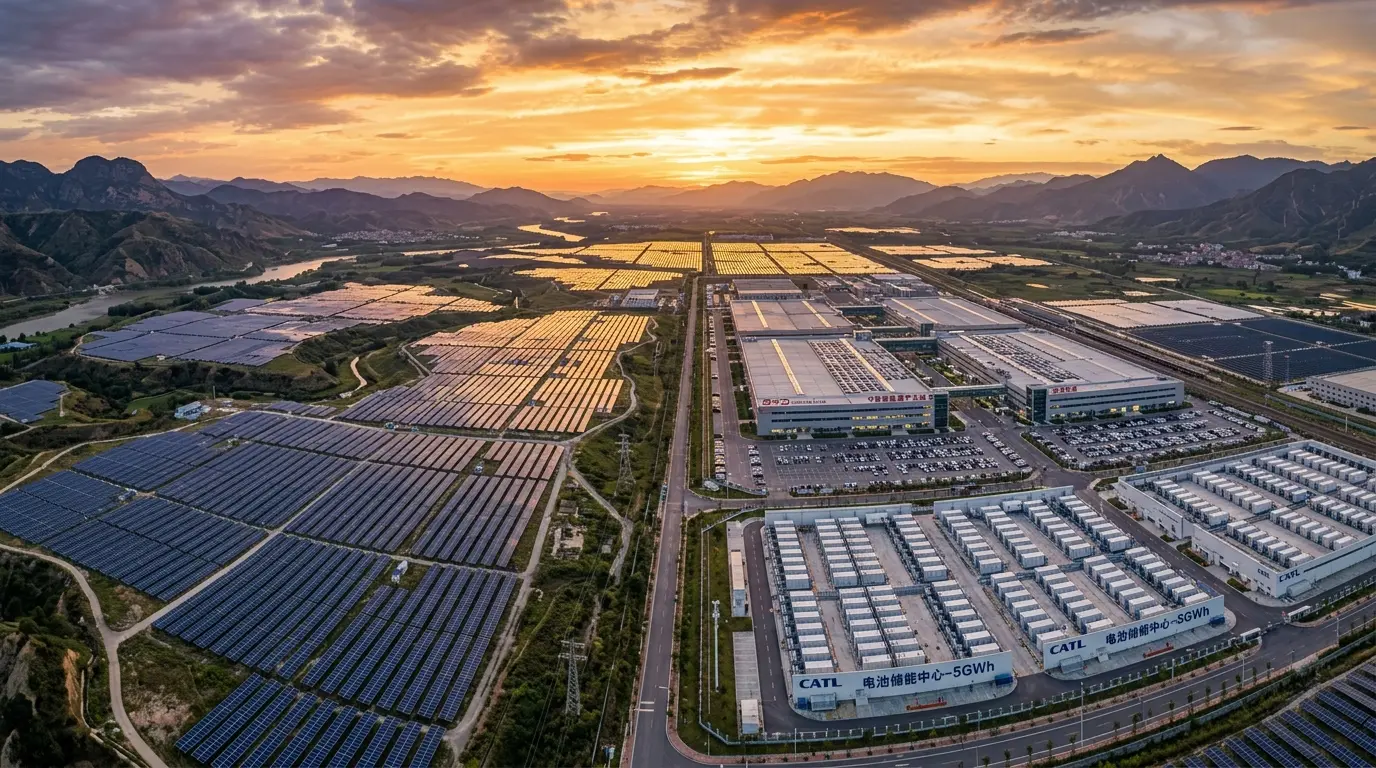
Battery Storage: Meeting the Demand Surge
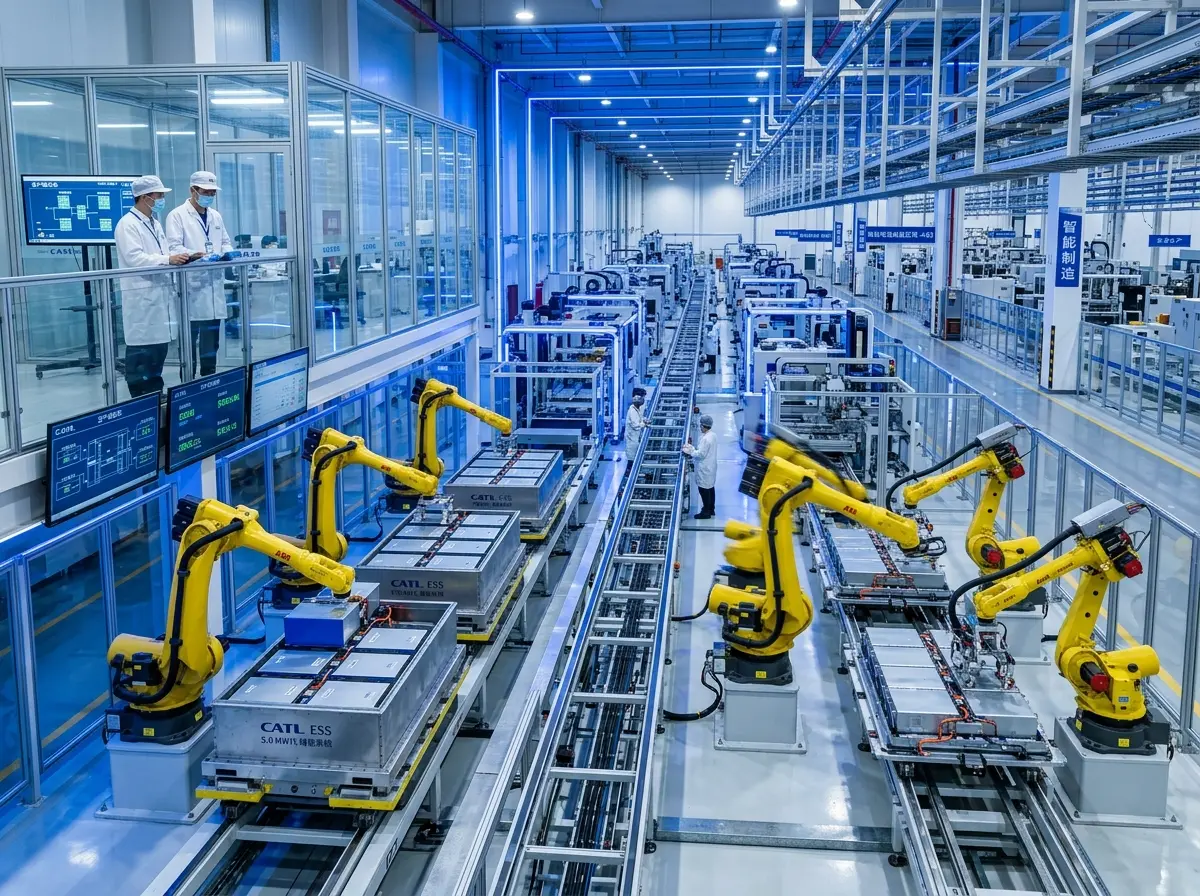
Beyond vehicles, energy storage technology is experiencing its own export surge. Chinese lithium-ion battery exports rose roughly one-third year-over-year in March, and analysts expect the momentum to accelerate.
Major supplier Sungrow Power Supply Co is forecast to exceed its original shipment targets as global demand outpaces earlier projections. Meanwhile, Gotion High-Tech has announced ambitions to double its overseas shipments this year — a bold target that reflects growing confidence in international market conditions.
Bloomberg Intelligence analyst Chia Chen summarized the dynamic succinctly: Chinese clean tech manufacturers are riding a powerful export tailwind, and heightened global demand is helping to stabilize and support their overseas pricing — a welcome buffer against the margin pressures they face at home.
Wind Energy: Playing the Long Game
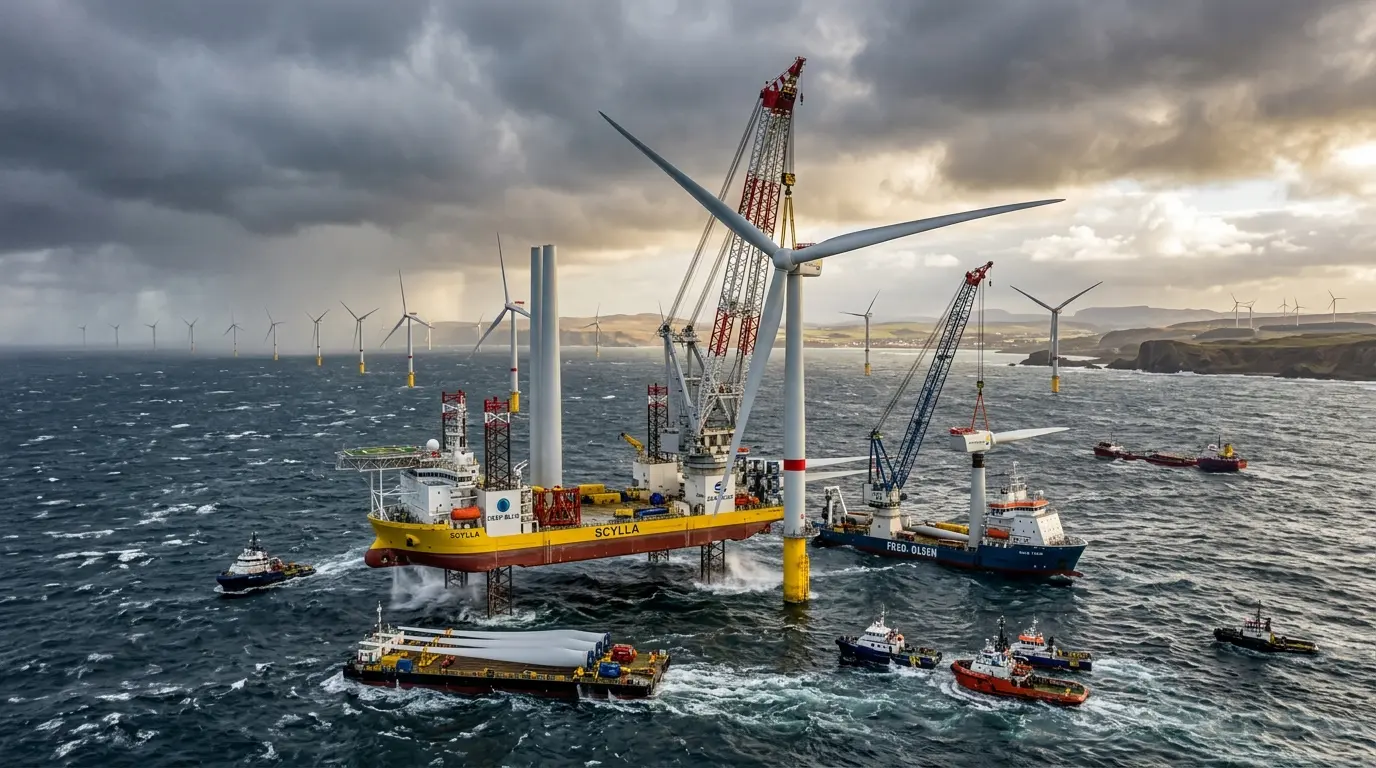
Not every segment of the clean energy sector can pivot overnight. Wind power projects, by their nature, require years of planning, permitting, and construction. Yet even wind turbine manufacturers are using the current environment to lay groundwork for future growth.
Ming Yang Smart Energy Group, one of China’s prominent wind turbine producers, is actively exploring European manufacturing opportunities following a recent visit to the region. The company’s chairman described Europe’s appetite for offshore wind as urgent, reflecting a broader continental push to reduce dependence on imported fossil fuels. Plans to establish a production facility in the United Kingdom were recently rebuffed, but the company continues to pursue alternative European locations.
Navigating Real Challenges
For all the opportunity the crisis presents, Chinese clean tech firms are not immune to its complications. Direct disruption to Middle Eastern markets — a significant trading zone — poses logistical and commercial challenges that require careful navigation.
Geely Automobile Holdings, one of China’s largest automotive conglomerates, acknowledged the complexity at the Beijing Auto Show. While the company remains optimistic about long-term export growth, senior leadership noted that regional disruptions require tailored strategies rather than a one-size-fits-all global approach.
The Bigger Picture: A Structural Shift in Global Energy
What’s unfolding isn’t simply a short-term sales spike for Chinese exporters. The energy shock appears to be accelerating a structural shift in how nations think about energy security. Countries that once viewed renewable energy adoption as a long-term aspiration are now treating it as an urgent near-term priority.
For Chinese clean energy manufacturers — who have spent years building scale, cutting costs, and refining their technology — this shift aligns almost perfectly with their competitive strengths. The question is no longer whether global demand for EVs, solar, and battery storage will grow, but how quickly Chinese firms can build the partnerships, logistics networks, and local presence to capture that growth sustainably.
Key Takeaways for Businesses and Investors
- Solar adoption is accelerating fastest in emerging markets where diesel dependency makes the value proposition most compelling.
- EV exports from China are growing across all major regions, with Europe and the Asia-Pacific showing particular strength.
- Battery storage is positioned as a critical enabler of energy independence for both residential and industrial users.
- Wind energy investment cycles are long, but current conditions are prompting governments to fast-track approvals and new supply agreements.
- Geopolitical disruption creates uneven market conditions — companies with flexible regional strategies will outperform those with rigid global approaches.
The global energy crisis may be painful for consumers and economies worldwide, but for China’s clean technology sector, it is functioning as a powerful accelerant for international growth that may reshape the global energy landscape for decades to come.




Leave a Reply