
A New Era of Smart Home Energy Intelligence
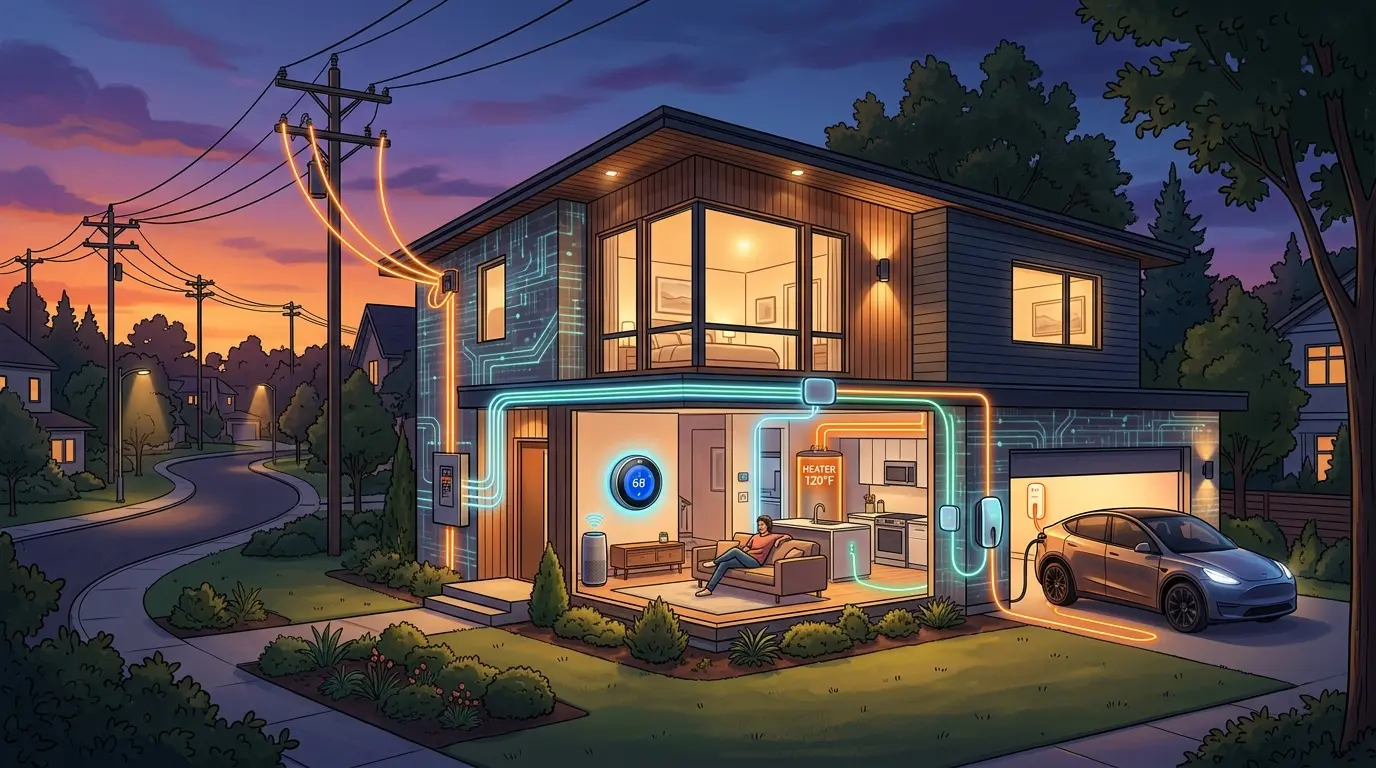
Imagine your home appliances automatically adjusting their energy usage in real time — not because you programmed them to, but because they’re actively communicating with the power grid. That future just got significantly closer. OpenADR and the Connectivity Standards Alliance’s Matter protocol have announced a formal collaboration aimed at bridging the gap between residential smart devices and the broader energy infrastructure.
This partnership could fundamentally reshape how homeowners interact with energy — or more accurately, how they don’t have to interact with it at all.

What Are OpenADR and Matter?
Matter: The Universal Smart Home Language
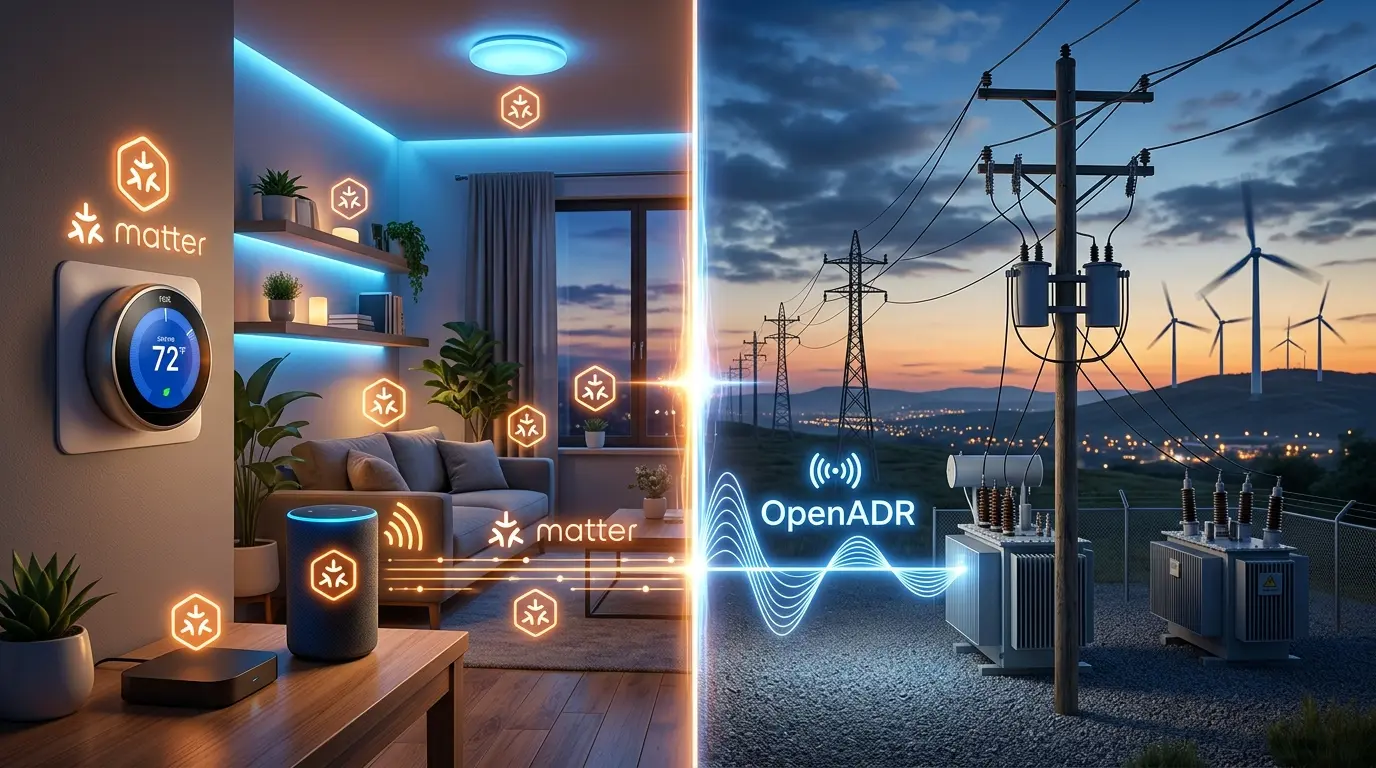
Matter is currently the most widely adopted smart home connectivity standard in the world. Backed by major tech companies including Apple, Google, Amazon, and Samsung, it was designed to solve one of smart home’s biggest frustrations: device incompatibility. With Matter, a smart bulb, lock, or thermostat from any brand can communicate seamlessly within the same ecosystem.
OpenADR: The Grid’s Communication Protocol
OpenADR (Open Automated Demand Response) operates on a different but equally important layer. It’s the communication standard used by utility companies and grid operators to send energy signals to buildings and facilities. Essentially, it’s the language the power grid speaks when it needs to manage electricity demand across its network.
Until now, these two standards have largely operated in separate worlds — one inside the home, one outside it. This new collaboration aims to connect them.
Understanding Demand Response and Why It Matters
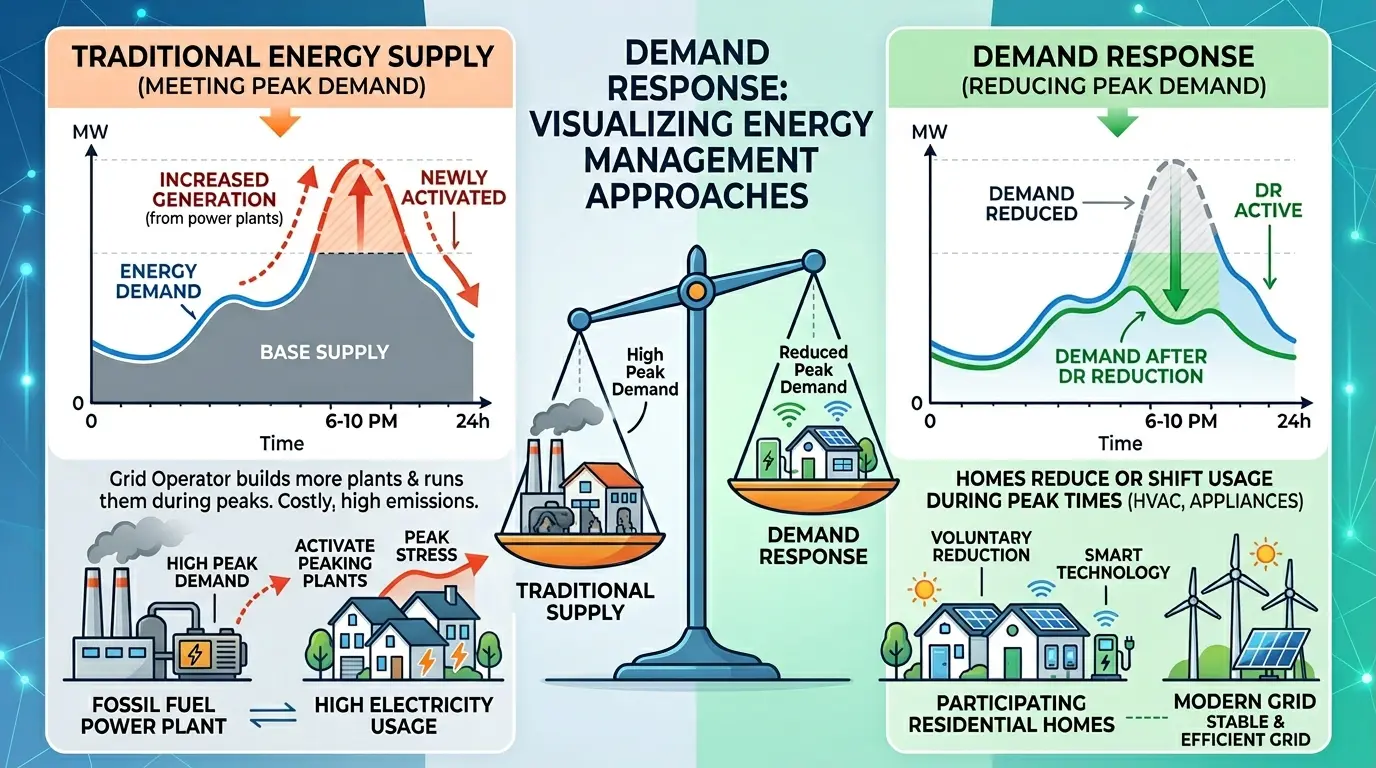
At the heart of this partnership is a concept called demand response — an energy management strategy that focuses on reducing or shifting electricity consumption during peak periods rather than increasing supply.
Traditional energy management works by ramping up power generation when demand spikes. Demand response flips this logic: instead of producing more electricity, it reduces how much is consumed. This approach is more efficient, more cost-effective, and increasingly essential as the grid absorbs more renewable energy sources with variable output.
How Consumers Already Benefit from Demand Response
Many utility companies already offer demand response programs to residential customers. Homeowners can voluntarily enroll to receive reduced energy bills in exchange for allowing the utility to make minor adjustments — like nudging a thermostat a few degrees during a peak demand window. These small changes, multiplied across thousands of homes, can prevent grid overloads and avoid costly infrastructure upgrades.
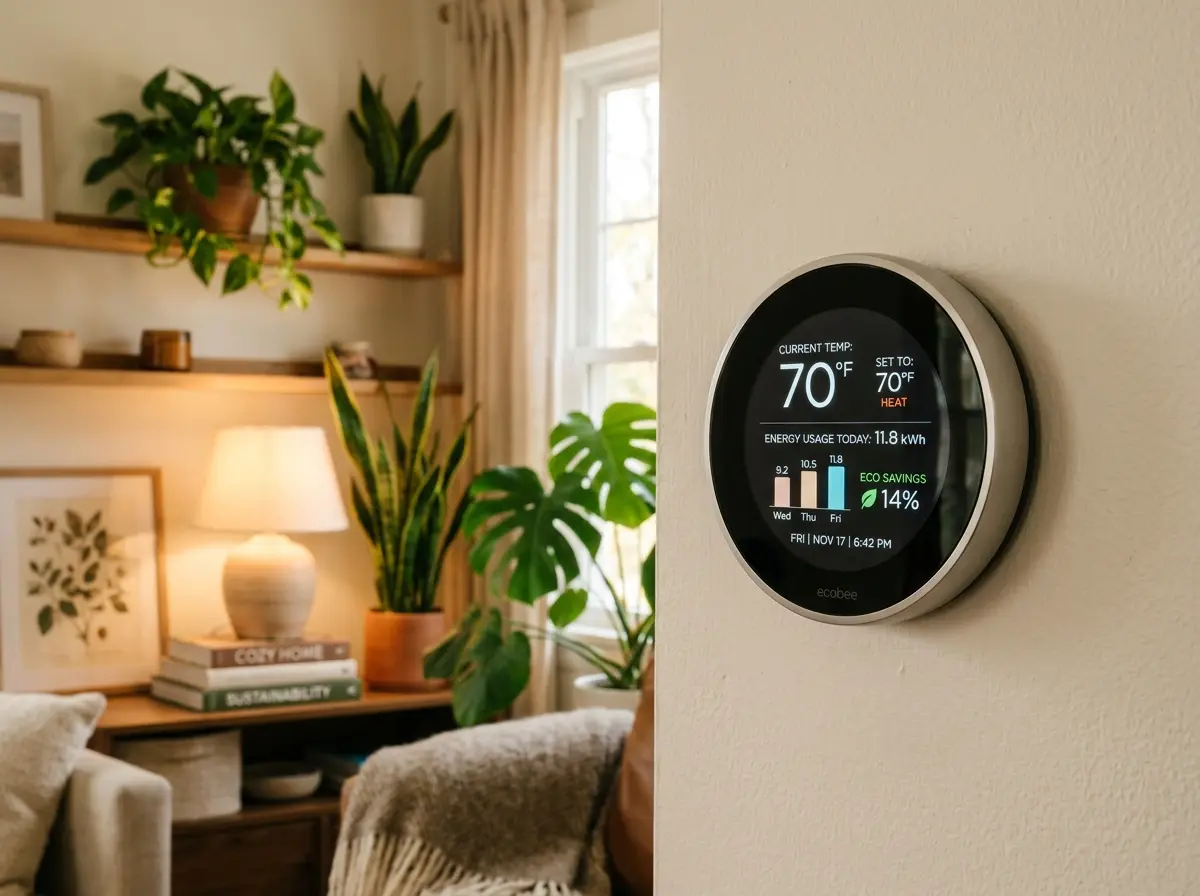
Some modern smart thermostats have already taken this a step further by integrating directly with grid signals, automatically responding to demand events without requiring any manual input from the homeowner. The OpenADR and Matter collaboration aims to extend this same intelligence to a much broader range of home devices.
What Devices Could Benefit from Grid Connectivity?
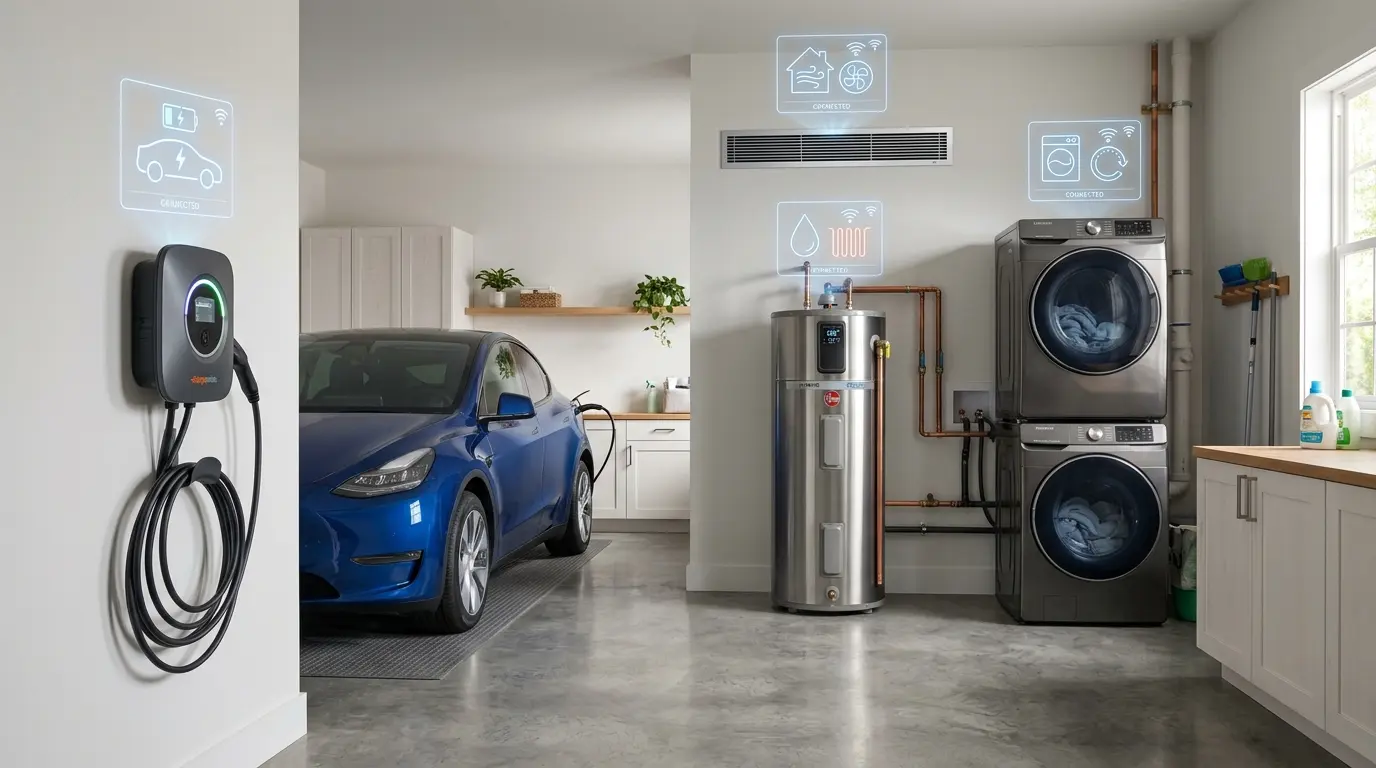
While smart thermostats have led the charge, the real excitement lies in expanding grid communication to other high-energy appliances. Here’s where the impact could be most significant:
Electric Vehicle Chargers
EV charging is one of the most compelling use cases for this technology. Currently, most EV owners rely on manually scheduling off-peak charging times to save money — typically late at night when grid demand is lower. With direct grid communication, an EV charger could automatically identify the cheapest and most grid-friendly charging windows without any user input. It could even pause or reduce charging speed during demand spikes and resume when conditions improve.
HVAC Systems
Heating and cooling account for a significant portion of home energy use. A grid-connected HVAC system could pre-cool or pre-heat a home before peak hours, then reduce activity during high-demand periods — keeping occupants comfortable while helping stabilize the grid.
Water Heaters
Water heaters maintain a tank of hot water continuously, making them ideal candidates for demand shifting. A smart, grid-aware water heater could heat water during low-demand periods and coast through peak times, reducing strain on the grid while cutting energy costs.
Laundry Appliances
Washers and dryers are among the more flexible appliances in terms of timing. A grid-integrated dryer could delay its cycle by an hour or two during a demand event — a minor inconvenience that collectively makes a big difference at the grid level.
Eliminating the Need for Demand Response Boxes
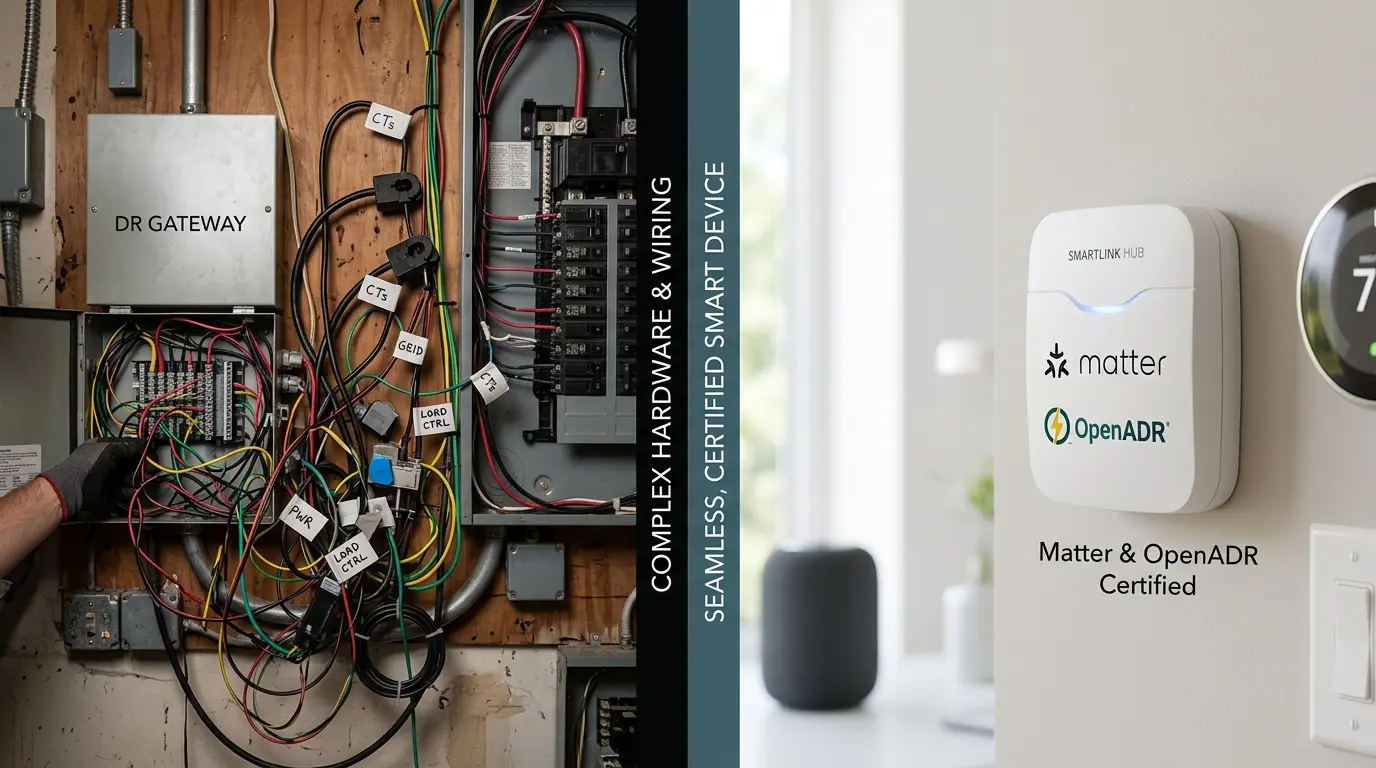
One often-overlooked aspect of this collaboration is what it could replace. Currently, some demand response programs require the installation of a dedicated hardware box — essentially a small device that receives grid signals and relays them to home systems. These boxes add cost and complexity to the setup process, which has limited adoption among everyday consumers.
By embedding OpenADR compatibility directly into Matter-enabled appliances, the need for these external devices could be eliminated entirely. The communication technology would be built into the product itself, making enrollment and participation in demand response programs as simple as connecting a new device to a home network.
What This Means for Homeowners and the Grid
For homeowners, the practical benefits are straightforward:
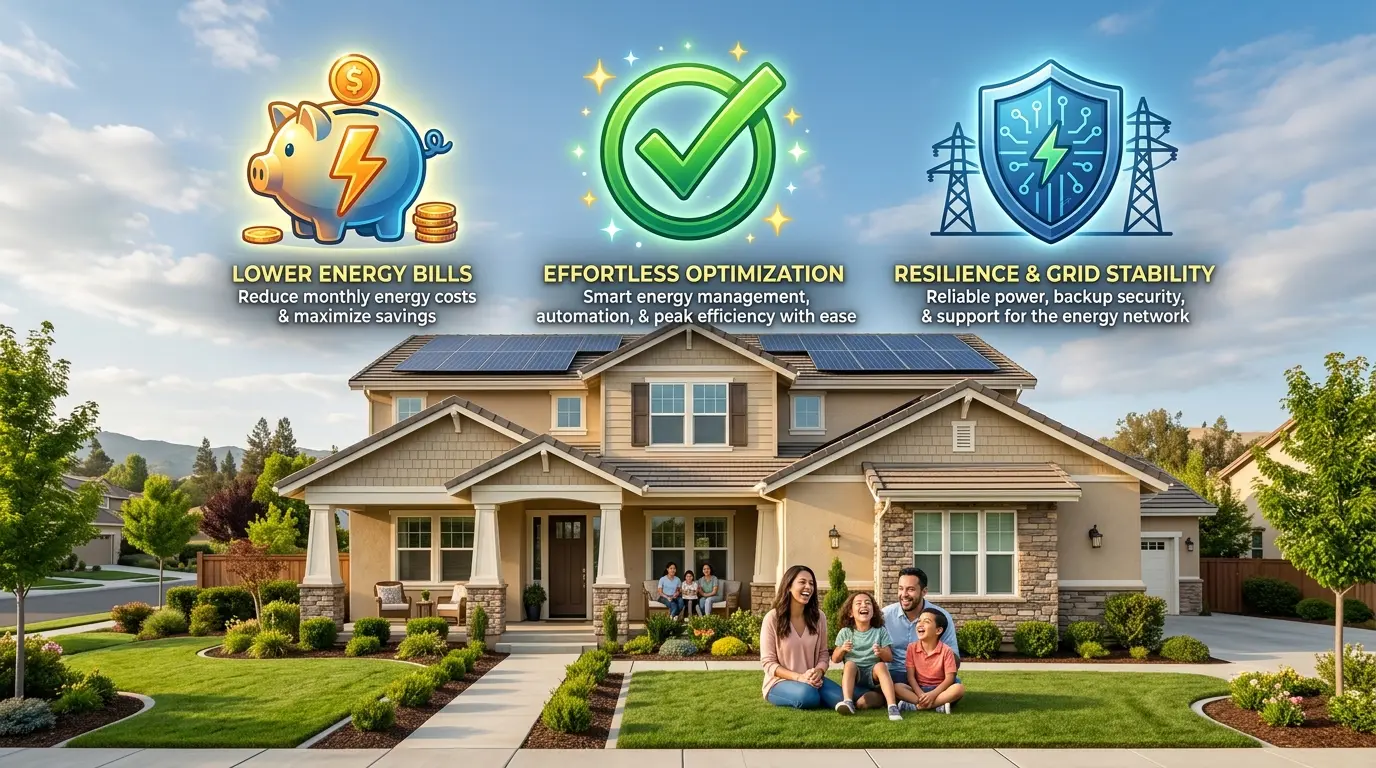
- Lower energy bills through automatic participation in utility demand response programs
- Effortless optimization without needing to monitor energy prices or schedule appliances manually
- Greater resilience as grid-aware devices help prevent blackouts during extreme weather or high-demand events
For the grid as a whole, widespread adoption of this technology could have transformative effects. As more renewable energy sources like wind and solar come online — both of which are intermittent by nature — the ability to dynamically manage residential demand becomes increasingly valuable. Smart homes that respond intelligently to grid conditions are a critical piece of a more sustainable and stable energy future.
What’s the Timeline?
The formal liaison agreement between OpenADR and the Connectivity Standards Alliance is focused on accelerating the adoption of grid-connected residential energy management solutions. However, no specific product rollout timeline has been announced. This is a foundational step — establishing the framework and standards that manufacturers will eventually build into their devices.
For consumers and smart home enthusiasts, this means the seamless grid-to-device experience is still on the horizon rather than available today. That said, the groundwork being laid now is exactly what’s needed to make that vision a reality.

The Bigger Picture: Smart Homes as Grid Assets
This collaboration represents a meaningful shift in how we think about smart homes. For years, the promise of home automation has been about convenience — controlling lights with your voice or seeing who’s at the door from your phone. The OpenADR and Matter partnership reframes smart home devices not just as consumer conveniences, but as active participants in energy infrastructure.
When millions of homes can automatically respond to grid conditions, the collective impact is enormous. It’s a model where individual households contribute to grid stability, get rewarded with lower bills, and do it all without lifting a finger. That’s not just smart home technology evolving — it’s the energy grid getting smarter too.




Leave a Reply