


A significant coalition of 22 American corporations — including technology and aerospace heavyweights IBM, Micron, and Boeing — has formally pledged support for Malaysia’s ambitious green transition agenda. This move signals a growing convergence between US private sector interests and Southeast Asia’s accelerating push toward sustainable development.

A Strategic Meeting That Could Shape Malaysia’s Climate Future
The pledge emerged from a high-level meeting held in Putrajaya between Malaysia’s Minister of Natural Resources and Environmental Sustainability, Datuk Seri Arthur Joseph Kurup, and a delegation from the US-ASEAN Business Council (USABC). The delegation was led by Brian D McFeeters — USABC’s interim president and CEO and a former US ambassador to Malaysia — a combination of roles that underscores how closely business diplomacy and climate policy are becoming intertwined.
The session was structured around one core objective: deepening strategic cooperation between Malaysia’s public institutions and the American private sector, particularly in the areas of climate legislation and carbon market development.
Malaysia’s Climate Change Bill: A Regulatory Backbone in the Making
At the heart of the discussions was Malaysia’s upcoming Climate Change Bill, expected to be tabled in Parliament in June. Minister Arthur shared the latest progress on the bill’s drafting, framing it as the foundational legal instrument for the country’s entire climate governance framework.
For international investors, this is significant. Regulatory clarity is often cited as one of the top prerequisites for long-term green investment commitments. The USABC itself acknowledged the bill as a “paradigm shift” — one that can provide the kind of stable, predictable policy environment that multinational corporations require before deploying substantial capital.
This aligns with broader trends seen globally, where How China’s Green Tech Industry Is Capitalizing on the Global Energy Crisis highlights how countries that move decisively on green policy frameworks attract disproportionate shares of clean technology investment.
What the Bill Means for Businesses Operating in Malaysia
- Regulatory certainty: Companies will have a clearer legal framework governing emissions, reporting obligations, and compliance timelines.
- Investment confidence: A robust legislative foundation reduces political and regulatory risk for long-term capital deployment.
- Carbon market participation: The bill is expected to provide the legal scaffolding for Malaysia’s National Carbon Market Policy, enabling structured trading of carbon credits.

The National Carbon Market: Building a Regional Blueprint
Beyond domestic legislation, one of the most forward-looking discussions during the meeting centered on ASEAN-level carbon policy alignment. Industry representatives expressed a strong desire for Malaysia to take a leadership role in harmonizing carbon regulations across Southeast Asia.
The rationale is straightforward: fragmented carbon policies across ASEAN nations create friction for cross-border trade and complicate regional supply chain decarbonization efforts. A unified or at least interoperable carbon market framework across the bloc would streamline compliance for multinational businesses operating in multiple ASEAN countries simultaneously.
Key Industry Proposals on Carbon Revenue
One of the more substantive proposals put forward during the meeting was that revenue generated from carbon taxes should be channelled transparently into:
- Conservation projects — protecting biodiversity-rich ecosystems like Malaysia’s rainforests
- Climate mitigation initiatives — funding adaptation and resilience programs
- Green technology development — accelerating the commercialization of low-carbon solutions
This proposal reflects a maturation in how the private sector thinks about carbon taxation — not merely as a compliance cost, but as a potential engine for measurable environmental outcomes when deployed strategically.
Why US Companies Are Doubling Down on Malaysia
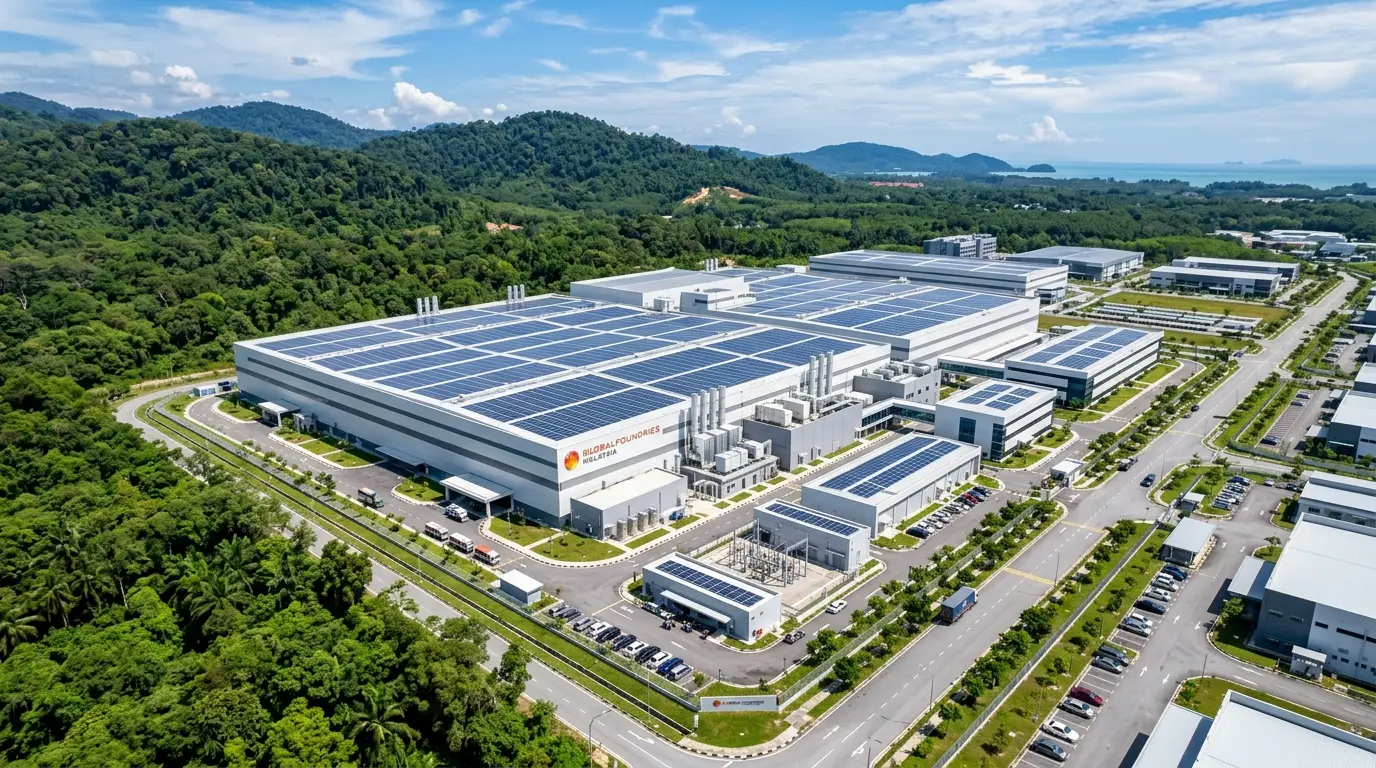
Malaysia’s appeal as a green investment destination is not accidental. The country sits at the intersection of several compelling strategic factors:
- Geographic centrality within ASEAN, making it an ideal hub for regional operations
- Strong existing US business presence, particularly in the semiconductor and technology sectors (Micron and IBM being prime examples)
- Government-driven green ambitions, including a stated target of achieving net-zero greenhouse gas emissions by 2050
- A growing talent pool in engineering and technology, which supports clean energy and green tech industries
For companies like Boeing, engagement with Malaysia’s green transition also speaks to the aviation industry’s own decarbonization imperatives — sustainable aviation fuel, energy-efficient manufacturing, and green supply chains are all areas where bilateral cooperation can bear fruit.
IGEM 2026: The Next Milestone for Green Investment
As a tangible follow-up to these discussions, Malaysia’s Ministry of Natural Resources and Environmental Sustainability, together with the Malaysian Green Technology and Climate Change Corporation (MGTC), extended a formal invitation to USABC member companies to participate in the International Greentech & Eco Products Exhibition & Conference (IGEM 2026), scheduled for October next year.
IGEM represents one of Southeast Asia’s most prominent platforms for green technology showcasing and investment matchmaking. For US firms looking to establish or expand their footprint in Malaysia’s low-carbon economy, the event offers a direct pathway to explore partnerships, pilot projects, and market entry opportunities.
The Bigger Picture: Malaysia as a Regional Green Powerhouse
Minister Arthur’s framing of the USABC relationship as a “foundational partnership” rather than mere business advocacy speaks volumes about the strategic ambitions at play. Malaysia is not simply looking to attract green investment — it is positioning itself as a regional anchor for sustainable economic transformation.
This mirrors patterns seen elsewhere in the region, where OpenADR and Matter Are Joining Forces to Connect Your Smart Home Directly to the Energy Grid illustrates how policy frameworks and technology standards increasingly must work in tandem to enable meaningful energy transitions.
For the US companies involved, supporting Malaysia’s green transition is not purely altruistic — it is a calculated move to embed themselves in one of Asia’s most strategically located and economically dynamic green markets before the window for first-mover advantage closes.
What to Watch Going Forward
- June Parliament session: The tabling of the Climate Change Bill will be the most immediate indicator of Malaysia’s legislative momentum.
- National Carbon Market Policy rollout: How Malaysia structures its carbon credit framework will determine whether it can attract regional and international carbon finance.
- ASEAN carbon alignment talks: Malaysia’s willingness to lead multilateral discussions on carbon policy harmonization will shape its influence across the region.
- IGEM 2026 participation levels: The number and caliber of US and international companies attending will be a real-world gauge of investor confidence in Malaysia’s green agenda.

The convergence of legislative action, private sector endorsement, and international business interest positions Malaysia at a genuine inflection point in its sustainability journey. With 22 US corporations now formally aligned with its green transition goals, the question is no longer whether Malaysia can attract global green investment — but how quickly it can convert that momentum into transformative, measurable climate outcomes.



Leave a Reply